Glaucoma: The Silent Eye Disease That Can Lead to Vision Loss
10 Sep 2026

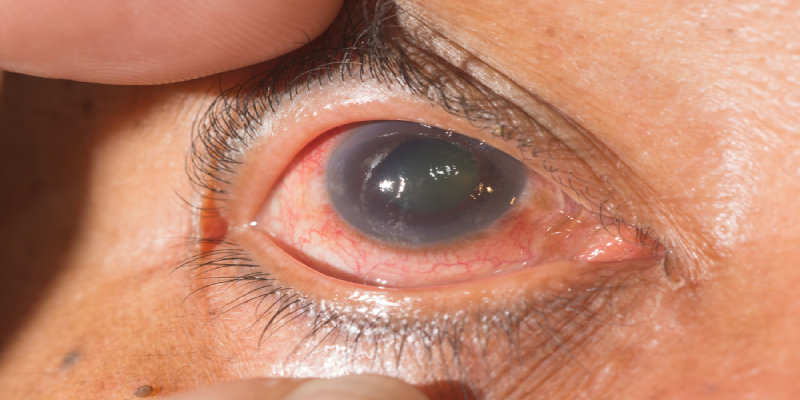
Glaucoma eye disease is often called "the silent thief of sight," and for good reason. It creeps up quietly, damaging the optic nerve long before most people notice anything wrong. By the time symptoms become obvious, a significant portion of vision may already be lost which is exactly why understanding this condition matters so much.
Glaucoma is a group of eye conditions that damage the optic nerve, usually because of a buildup of pressure inside the eye. This nerve carries visual information from your eye to your brain, so when it's damaged, your eyesight suffers sometimes permanently.
There isn't just one form of this disease. Knowing the types of glaucoma helps you understand what to watch for:
Each type of glaucoma progresses differently, but they all share one dangerous trait they can advance without obvious pain or discomfort.
So what actually causes this condition? Glaucoma causes typically stem from an imbalance in fluid production and drainage inside the eye. When the fluid (called aqueous humor) doesn't drain properly, pressure builds up and gradually damages the optic nerve. Other contributing factors include:
Because early symptoms of glaucoma are so subtle, regular eye checkups become essential. So, what are the warning signs of glaucoma you shouldn't ignore?
If you're wondering how to know if you have glaucoma, the honest answer is: you often can't tell just by how you feel. Many people live with rising eye pressure for years without realizing it, which is why routine screening matters more than self-diagnosis.
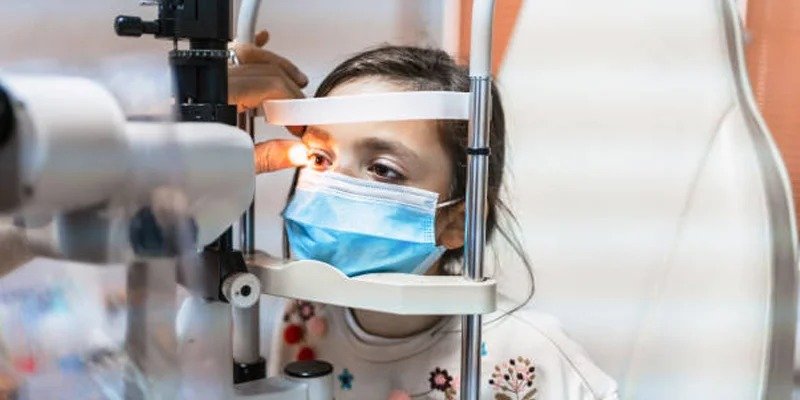
A proper glaucoma diagnosis involves more than just a basic vision test. Eye specialists typically use:
These tests together help doctors catch damage early, often before you notice any change in your eyesight.
Now for the question everyone asks: can glaucoma be treated without surgery? In many cases, yes. Glaucoma treatment usually starts with the least invasive options and escalates only if needed.
The best treatment for glaucoma really depends on the type, severity, and how your eyes respond to initial therapy which is why personalized care from an experienced ophthalmologist makes such a difference.
Left untreated, glaucoma affects eyesight over time in a slow, creeping pattern starting with peripheral vision loss and gradually narrowing your field of view, sometimes leading to complete blindness. And yes, can glaucoma cause permanent vision loss? Unfortunately, yes any vision lost to glaucoma cannot be restored, which makes early detection and consistent treatment absolutely critical.
While you can't always prevent glaucoma entirely, glaucoma prevention strategies can significantly reduce your risk and help catch it early:
1. Is glaucoma always painful?
No. Most types, especially open-angle glaucoma, cause no pain at all until vision loss is already noticeable.
2. At what age should I start glaucoma screening?
Ideally by age 40, or earlier if you have a family history or other risk factors.
3. Can glaucoma come back after treatment?
Glaucoma isn't "cured", it's managed. Ongoing monitoring and treatment are needed for life to keep eye pressure controlled.
4. Does glaucoma affect both eyes equally?
Not always. It often progresses faster in one eye, so both eyes still need regular checking.
5. Can lifestyle changes help manage glaucoma?
Yes regular exercise, a balanced diet, and avoiding smoking can support overall eye health alongside medical treatment.
If you're experiencing any warning signs of glaucoma or it's simply been a while since your last eye exam, don't wait. Early diagnosis makes all the difference. Reach out to Narayana Eye Care for expert consultation and treatment.
Contact Us
Location : 94, Above SBI Bank, Old Madras Road, KR Puram, Bangalore 36
Contact us : 080 2565 1555 | 080 2991 5551
79964 82333 | 90713 23332





.webp)