Food for Healthy Eyes & for Diabetic Retinopathy
23 Sep 2026

Most of us only think about our eyes when something goes wrong: blurry reading, tired screens, or a scary eye exam result. But your eyes work all day, and they need steady nourishment just like your heart and brain. Choosing the right food for healthy eyes will not replace medical treatment, but it can help protect your vision, slow age-related damage, and support your overall eye health.
This matters even more if you live with diabetes. High blood sugar can slowly damage the tiny blood vessels in the retina, and what you eat plays a big role in how well you control it.
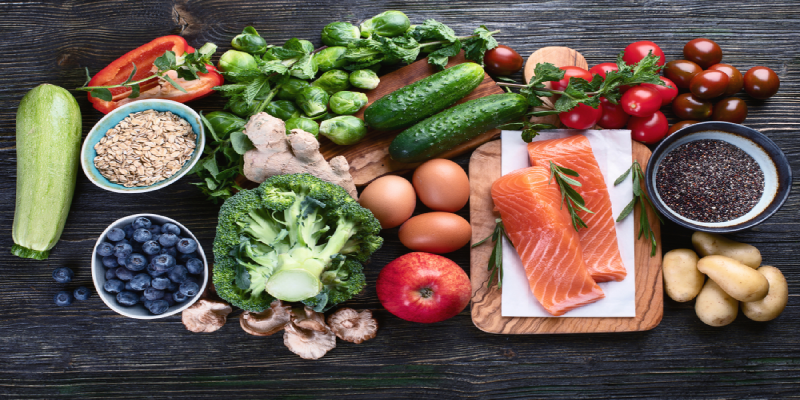
If you are wondering about the best foods for healthy eyes, start with colourful, whole, and fresh options:
Building a diet for healthy eyes does not mean eating exotic ingredients. Everyday Indian foods like dal, sprouts, seasonal fruits, and green vegetables already do most of the work.
Knowing why a food helps makes it easier to choose well. The foods that support eye health generally share a few nutrients:
Including a variety of foods for retinal health across the week is more effective than relying on one "superfood."
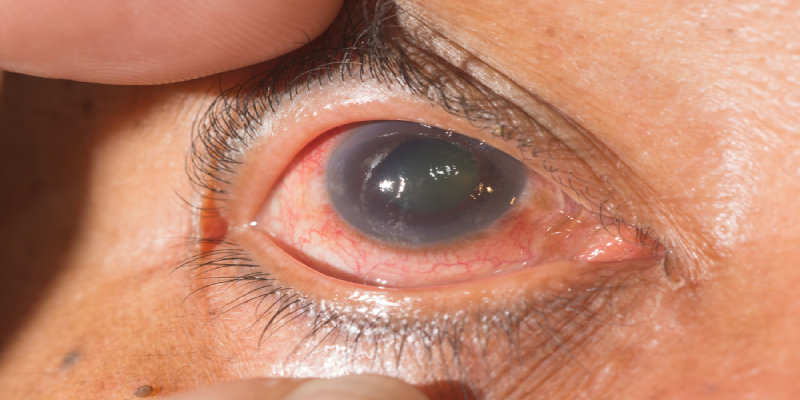
Diabetic retinopathy is an eye condition in which long-term high blood sugar damages the retinal blood vessels. They may swell, leak, or close off. In the early stages there may be no symptoms at all, which is why it is often called a silent disease. Over time it can cause floaters, blurred vision, dark patches, or even vision loss.
Managing blood sugar, blood pressure, and cholesterol is the foundation of prevention. Food is one of the strongest tools you have for all three.
A good diet for diabetic retinopathy has one main goal: keep blood sugar steady while giving the retina the nutrients it needs. Proper nutrition for diabetic retinopathy rests on a few habits:
Here are the foods for diabetic retinopathy that work especially well:
These are also among the most practical foods for diabetic eye health, because they help both blood sugar control and retinal nourishment. If you want to reduce risk, the foods to prevent diabetic eye problems are the same ones, eaten consistently over the years.
| Food | Key Nutrient | How It Helps Your Eyes | Good for Diabetics? |
|---|---|---|---|
| Spinach, methi, kale | Lutein and zeaxanthin | Protects the macula and filters harmful light | Yes, very low in carbs |
| Guava, orange, amla | Vitamin C | Strengthens retinal blood vessels | Yes, in moderate portions |
| Salmon, sardines, mackerel | Omega-3 fatty acids | Supports retinal structure and reduces dry eye | Yes, 2 servings a week |
| Almonds, walnuts | Vitamin E, healthy fats | Protects eye cells from free-radical damage | Yes, a small handful daily |
| Eggs | Lutein, zinc, vitamin A | Supports the retina and night vision | Yes, in moderation |
| Dal, chickpeas, rajma | Zinc, fibre, protein | Helps vitamin A reach the retina and steadies blood sugar | Yes, portion-controlled |
| Carrots, pumpkin | Beta-carotene | Converts to vitamin A and keeps the cornea clear | Yes, in sensible portions |
| Low-fat curd, buttermilk | Protein, probiotics | Supports overall health and blood sugar balance | Yes, unsweetened |
You do not have to give up everything you love. Occasional treats in small portions are fine; it is the daily habits that count.
Small, steady meals like these are kind to your blood sugar and your eyes.
Diet is powerful, but it works best alongside regular eye check-ups. If you have diabetes, a dilated retinal exam at least once a year can catch problems long before you notice symptoms. If you are experiencing blurred vision, floaters, or any change in your sight, do not wait.
Narayana Eye Care offers thorough eye examinations and expert guidance for diabetic eye conditions.
Address: 94, Above SBI Bank, Old Madras Road, KR Puram, Bangalore 36
Phone: 080 2565 1555 | 080 2991 5551
Mobile: 79964 82333 | 90713 23332
Email: admin\@narayanaeyecare.com | sns\@narayanaeyecare.com
1. Can food alone cure diabetic retinopathy?
No. Food cannot cure it, but a balanced diet helps control blood sugar and may slow progression. You still need regular eye exams and treatment as advised by your eye doctor.
2. Which vitamin is most important for eye health?
No single vitamin does it all. Vitamins A, C, and E, along with lutein, zinc, and omega-3s, work together to protect your eyes.
3. Is fruit safe for people with diabetic retinopathy?
Yes, in sensible portions. Choose guava, berries, oranges, and papaya over very sweet fruits, and eat whole fruit rather than juice.
4. How often should diabetics get their eyes checked?
At least once a year, or more often if your doctor recommends it. Early detection makes treatment far more effective.
5. Can eating carrots really improve eyesight?
Carrots support eye health through vitamin A, but they will not correct poor vision or replace glasses. They help maintain healthy eyes as part of a varied diet.


.webp)