Diabetic Retinopathy Treatment: Injections, Laser & Surgery
19 Sep 2026

If you've been living with diabetes for a while, your eye doctor has probably mentioned diabetic retinopathy at some point. It's a condition where prolonged high blood sugar damages the tiny blood vessels in the retina, the light-sensitive tissue at the back of your eye. Left unchecked, it can lead to blurred vision, dark spots, or even permanent vision loss. The good news is that Diabetic Retinopathy Treatment has come a long way, and with timely diagnosis, most people manage to preserve their eyesight.
So,what are the treatment options for diabetic retinopathy? The answer depends largely on how advanced the condition is. In the early stages, your doctor may simply recommend regular monitoring along with better blood sugar, blood pressure, and cholesterol control. But once the disease progresses, three main approaches come into play — injections, laser therapy, and surgery. Each one addresses a different stage or complication of the disease, and often a combination is used for the best results.
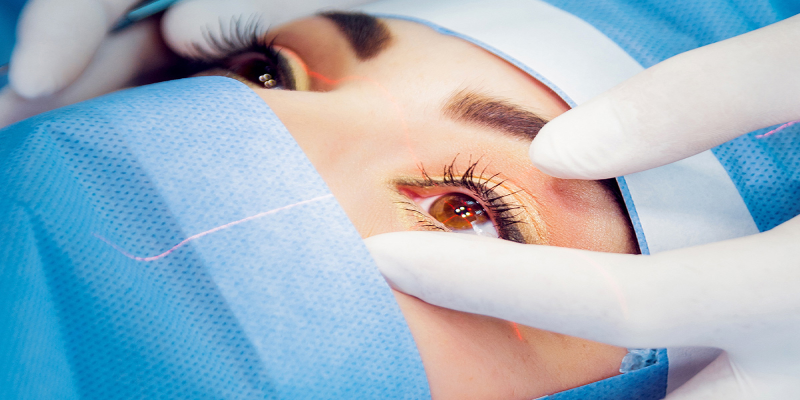
Diabetic retinopathy injections, also known as anti-VEGF injections, are usually the first line of treatment when swelling (macular edema) or abnormal blood vessel growth is detected. These injections work by blocking a protein called VEGF that causes leaky, abnormal vessels to form in the retina. Administered directly into the eye by a trained specialist, the procedure sounds intimidating but is actually quick and relatively painless thanks to numbing drops. Most patients need a series of injections over several months, followed by maintenance doses depending on how the eye responds. Many people notice improved vision within weeks of starting this therapy.
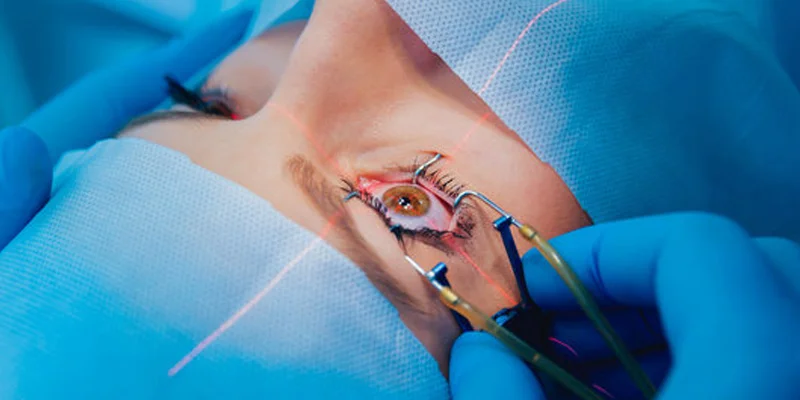
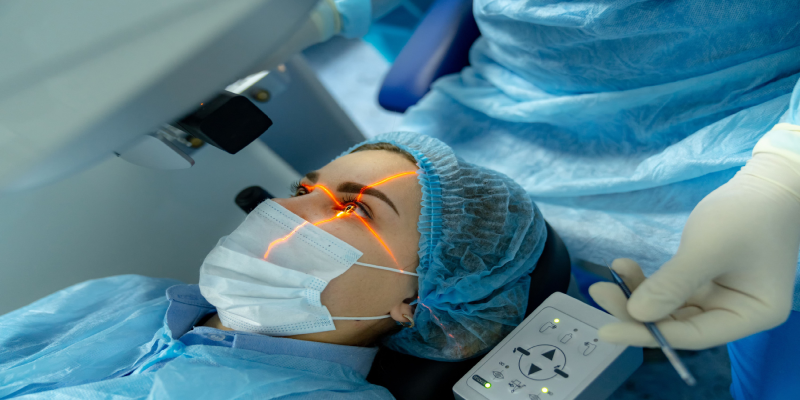
Diabetic retinopathy laser treatment remains one of the most reliable and time-tested methods for controlling this disease. There are two common types: focal laser therapy, which targets specific leaking vessels near the macula, and panretinal (scatter) laser photocoagulation, which treats the wider areas of the retina to reduce abnormal vessel growth. The laser essentially seals off leaking blood vessels or shrinks abnormal ones, preventing further damage. Sessions are typically done on an outpatient basis, and while vision may seem slightly hazy right after, it usually settles within a day or two.
A common question patients ask is:when is laser treatment needed for diabetic retinopathy? Generally, laser therapy becomes necessary once the retina shows signs of proliferative diabetic retinopathy — meaning new, fragile blood vessels have started growing abnormally — or when there's significant swelling threatening central vision. Your ophthalmologist will usually recommend laser treatment after a detailed retinal scan (OCT or fluorescein angiography) confirms these changes. Catching this stage early can prevent the need for more invasive procedures down the line.
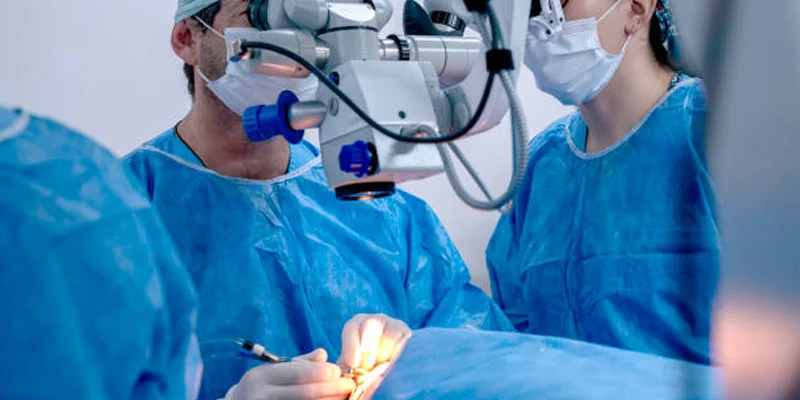
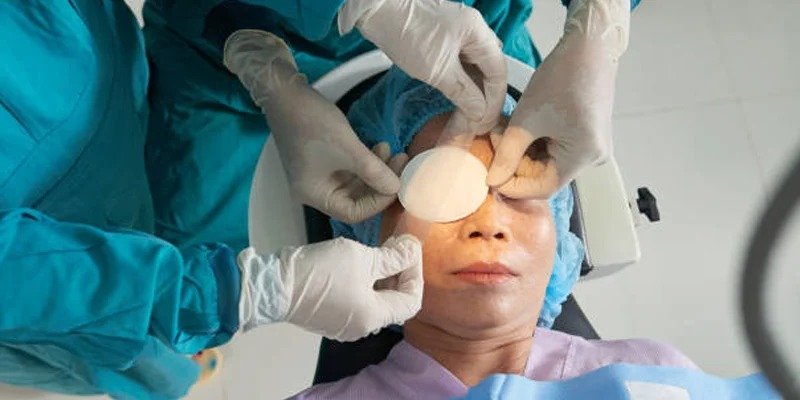
When injections and laser therapy aren't enough — usually in advanced cases involving bleeding inside the eye (vitreous hemorrhage) or retinal detachment — diabetic retinopathy surgery becomes necessary. The most common procedure is a vitrectomy, where the surgeon removes the blood-filled vitreous gel and replaces it with a clear solution, while also repairing any retinal detachment if present. This surgery is performed under local or general anesthesia and has helped countless patients regain functional vision even in severe cases.
Choosing the Best Diabetic Retinopathy Treatment isn't about picking one method over another — it's about getting an accurate diagnosis and a personalized treatment plan from an experienced retina specialist. Regular eye check-ups, especially if you're diabetic, make all the difference in catching problems before they become serious. A skilled ophthalmologist will combine the right mix of injections, laser, and surgical intervention based on your specific stage of disease.
1. Is diabetic retinopathy treatment painful?
Most treatments, including injections and laser therapy, are done with numbing drops and cause minimal discomfort.
2. Can diabetic retinopathy be cured completely?
It can't be fully "cured," but it can be effectively controlled and vision loss can be prevented with timely treatment.
3. How many injections are usually needed?
This varies per patient, but many need monthly injections initially, tapering off as the eye stabilizes.
4. Does laser treatment restore lost vision?
Laser treatment mainly prevents further damage rather than restoring vision already lost, which is why early detection matters.
5. How often should diabetics get their eyes checked?
At least once a year, or more frequently if retinopathy has already been diagnosed.
For expert diagnosis and personalized care, reach out to Narayana Eye Care:
Contact Us
Location : 94, Above SBI Bank, Old Madras Road, KR Puram, Bangalore 36
Contact us : 080 2565 1555 | 080 2991 5551
79964 82333 | 90713 23332



.webp)