Corneal Procedures & Laser Eye Treatment: Types, Benefits and Recovery
16 Sep 2026
Introduction
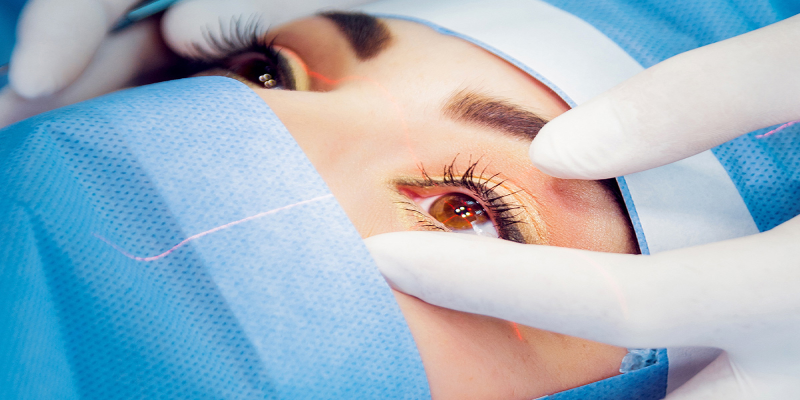
If you're tired of reaching for your glasses every morning or struggling with contact lenses, you've probably come across the term Laser Eye Treatment in your search for a permanent fix. It's one of the most popular vision correction procedures today, helping people see clearly without depending on glasses or lenses. But before you book a consultation, it helps to understand what the procedure actually involves — the different Types of laser eye treatment, the real Laser eye surgery benefits and risks, and what recovery genuinely looks like.
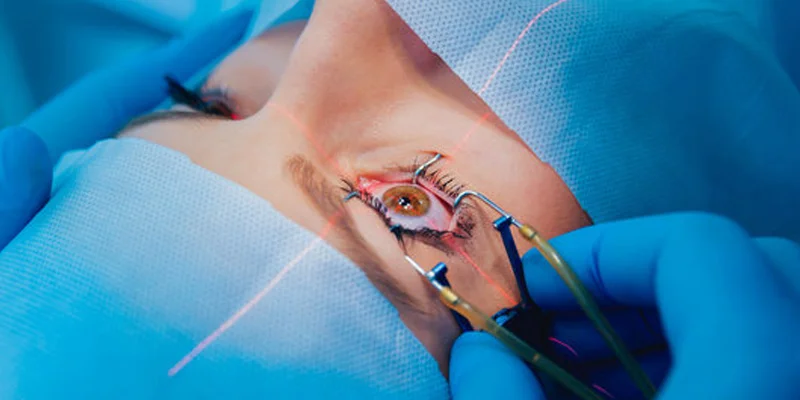
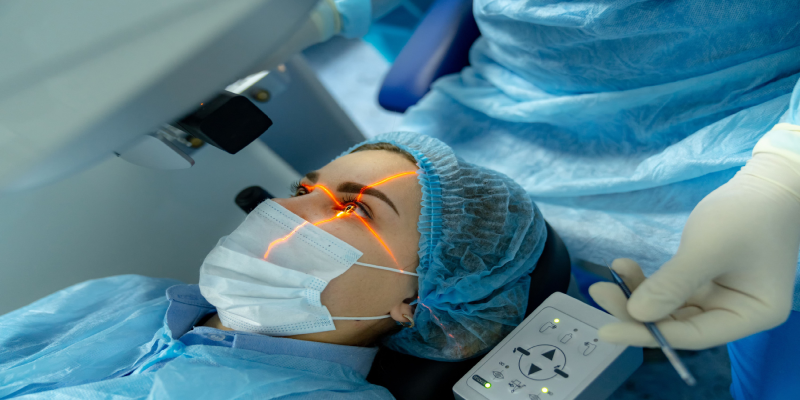
In simple terms, laser eye treatment reshapes the cornea — the clear front part of your eye — so that light entering the eye focuses correctly on the retina. This correction reduces or eliminates the need for glasses or contacts in most people with conditions like myopia (nearsightedness), hyperopia (farsightedness), and astigmatism.
Not every laser procedure is the same, and the right one depends on your eye structure, prescription, and lifestyle. Here are the main Laser Eye Treatment Types available today:
1. LASIK (Laser-Assisted In Situ Keratomileusis)
The most common and widely trusted procedure. A thin corneal flap is created, and the laser reshapes the tissue underneath before the flap is repositioned. Recovery is quick, and most people notice improved vision within a day.
2. PRK (Photorefractive Keratectomy)
Instead of creating a flap, the surgeon removes the outer layer of the cornea before reshaping it. It's often recommended for people with thinner corneas, though healing takes a little longer than LASIK.
3. SMILE (Small Incision Lenticule Extraction)
A newer, minimally invasive technique that uses a tiny incision to remove a small piece of corneal tissue. It's known for a faster, more comfortable recovery with less dryness afterward.
4. LASEK
A hybrid of LASIK and PRK, useful for patients with unique corneal profiles.
Your ophthalmologist will assess your eye health, corneal thickness, and prescription to recommend which of these types of laser eye treatment suits you best.
What Is C3R (Corneal Collagen Cross-Linking with Riboflavin)?
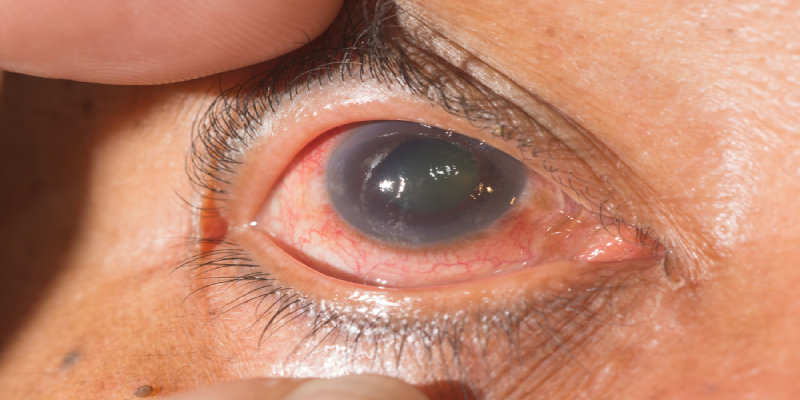
C3R is a corneal treatment that makes a weak cornea stronger. It's the most widely used keratoconus treatment, and it's also used for corneal ectasia, a similar thinning that can sometimes appear after refractive surgery.
In keratoconus, the cornea gradually thins and bulges into a cone shape. This causes blurred, distorted vision and frequent changes in glasses power. C3R targets the cause of that weakening.
How does it work?
Most people are treated in a single session that takes about an hour per eye, under numbing drops. Some modern protocols are faster.
The goal of C3R is to halt the progression of keratoconus, not to give you perfect vision. Some people notice mild improvement, and others may still need glasses or special contact lenses afterwards. The earlier it's done, the better the outcome, because it can protect the vision you still have.
There's a reason millions of people opt for this procedure every year. Some of the biggest Laser Eye Treatment Benefits include:
Like any surgical procedure, it's important to go in with realistic expectations. Common Laser Eye Treatment Risks include:
These risks are uncommon with an experienced surgeon and proper pre-surgery screening, which is why choosing a reputable eye care centre matters just as much as choosing the right procedure.
C3R is generally considered safe, but you should know what to expect:
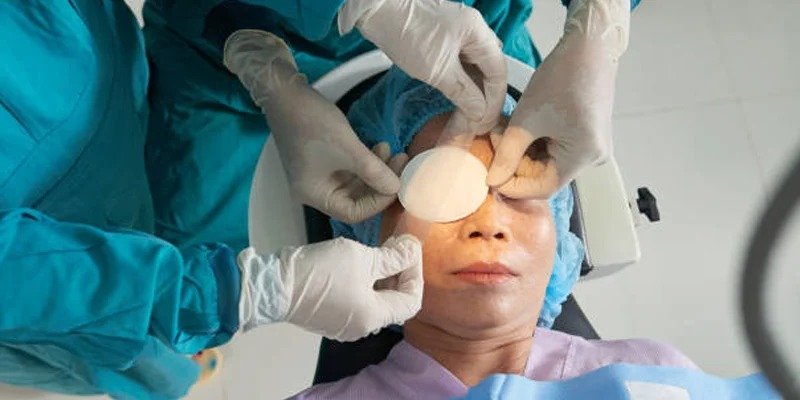
Recovery experiences vary slightly depending on which type of procedure you choose, but here's a general idea of the Laser Eye Treatment Recovery journey:
So, how long before you're truly back to normal? Laser eye treatment recovery time depends on the technique used:
Following your doctor's aftercare routine — using prescribed eye drops, avoiding screens for prolonged periods initially, and attending follow-up visits — plays a huge role in how smoothly and quickly you heal.
C3R recovery is a bit different because the cornea is healing and strengthening at the same time:
1. Is laser eye treatment painful?
No. The procedure itself is virtually painless due to numbing eye drops. Mild discomfort or a gritty sensation may occur for a day or two afterward.
2. Who is not a good candidate for laser eye surgery?
People with very thin corneas, unstable prescriptions, certain autoimmune conditions, or pregnant/breastfeeding women are usually advised to wait or explore alternatives.
3. How long do the results last?
For most patients, results are permanent. However, age-related vision changes (like presbyopia) may still occur later in life.
4. Can both eyes be treated on the same day?
Yes, in most cases both eyes are treated in a single session lasting under 30 minutes.
5. When can I resume driving after the procedure?
Most patients can drive within 24–48 hours once vision stabilises, but this should always be confirmed by your surgeon.
If you're considering laser eye treatment and want expert guidance from experienced ophthalmologists, Narayana Eye Care offers thorough eye evaluations, advanced laser technology, and personalised treatment plans to help you achieve safe, lasting results.
Contact Us
Location : 94, Above SBI Bank, Old Madras Road, KR Puram, Bangalore 36
Contact us : 080 2565 1555 | 080 2991 5551
79964 82333 | 90713 23332



.webp)