Cataract IOLs: Types, Benefits and How to Choose the Right Lens
13 Sep 2026

Introduction
If you or a loved one has been told cataract surgery is on the horizon, one of the first questions that comes up is: which lens should I choose? Cataract surgery today isn't just about restoring clear vision — it's also an opportunity to reduce or even eliminate your dependence on glasses, depending on the Cataract lens types you go with. Let's break down what an intraocular lens actually is, the options available, and how to pick the one that suits your lifestyle.
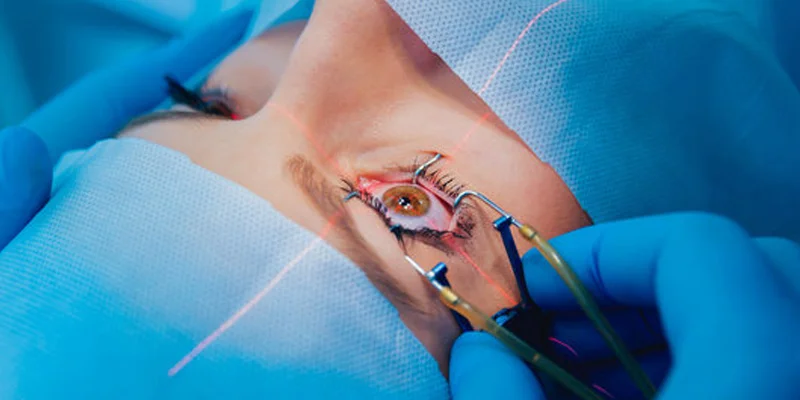
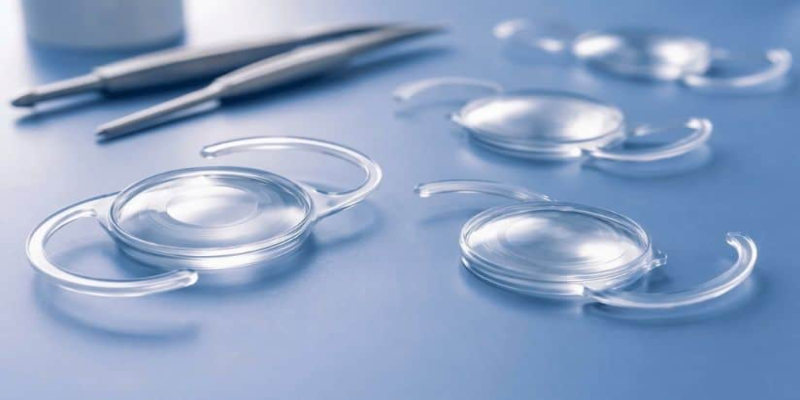
An Intraocular lens, commonly called an IOL, is a small artificial lens implanted inside the eye to replace the natural lens that's clouded by a cataract. During surgery, the surgeon removes the cloudy lens and places this new lens in its exact position. Unlike glasses or contact lenses, an IOL becomes a permanent part of your eye, working silently in the background for the rest of your life. That's exactly why understanding your Cataract IOL options before surgery matters so much — this is a decision you'll live with for years to come.
Not all lenses are created equal, and knowing the IOL lens types available helps you have a more informed conversation with your ophthalmologist. Broadly, here are the main categories:
1. Monofocal IOLs – These are the standard, most commonly used lenses. They correct vision at one distance only — usually far vision — meaning you'll likely still need reading glasses for close-up tasks.
2. Multifocal IOLs – These advanced lenses have multiple focal points built in, allowing clear vision at near, intermediate, and far distances, significantly reducing dependency on glasses.
3. Extended Depth of Focus (EDOF) IOLs – A newer category that provides a continuous, extended range of clear vision, particularly useful for intermediate tasks like using a computer.
4. Toric IOLs – Designed specifically for patients with astigmatism, these lenses correct corneal irregularities alongside the cataract.
5. Accommodating IOLs – These lenses are designed to shift slightly within the eye, mimicking the natural focusing ability of a younger eye.
Each of these Different types of IOL lenses for cataract surgery comes with its own price point, recovery expectations, and suitability depending on your eye health and daily visual demands.
Among all the options, multifocal lenses tend to generate the most interest — and for good reason. The Benefits of multifocal IOL lenses include:
That said, multifocal lenses aren't for everyone. Patients with certain retinal conditions or very specific visual needs (like night driving concerns due to halos/glare) may be better suited to monofocal or EDOF lenses. This is precisely why a detailed eye examination and honest conversation with your surgeon is essential before deciding.
There's no single "best" answer that fits everyone. The Best lens for cataract surgery depends on factors like:
Wondering how to choose the right IOL lens? Here's a simple approach:
A trusted, experienced ophthalmologist will guide you through these choices rather than pushing a one-size-fits-all recommendation.
1. How long does an IOL last after cataract surgery?
IOLs are designed to last a lifetime and typically do not need replacement.
2. Is multifocal IOL surgery painful?
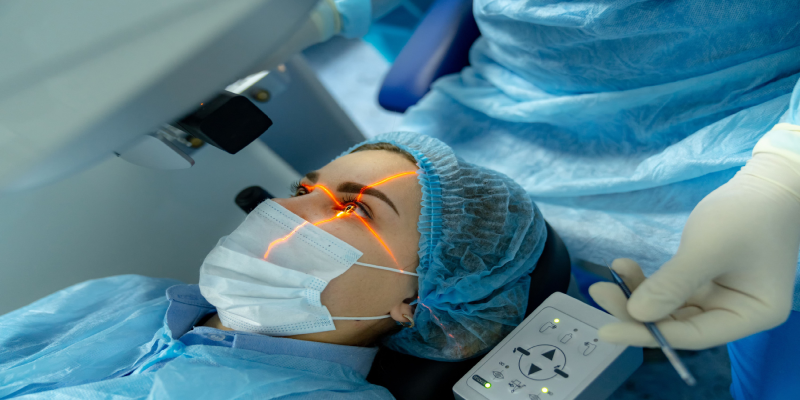
No, cataract surgery with any IOL type is usually quick, painless, and performed under local anesthesia with minimal downtime.
3. Can I choose a different lens for each eye?
Yes, some patients opt for a mix-and-match approach based on their surgeon's recommendation and visual needs.
4. Are premium IOLs covered by insurance?
Standard monofocal lenses are usually covered, while premium lenses like multifocal or toric IOLs may involve additional out-of-pocket costs.
5. How soon can I resume normal activities after IOL surgery?
Most patients resume light activities within a day or two, with full visual stabilization over a few weeks.
Choosing the right IOL is a decision best made with expert guidance, and Narayana Eye Care offers experienced consultation to help you find the lens that fits your eyes and lifestyle.
Contact Us
Location : 94, Above SBI Bank, Old Madras Road, KR Puram, Bangalore 36
Contact us : 080 2565 1555 | 080 2991 5551
79964 82333 | 90713 23332






.webp)